Networking & Mentorship: Are You Doing It Right?

Climbing the corporate ladder can sometimes feel like a lonely endeavour. Sure, you've got the grit, the talent, and the ambition. But wouldn't it be easier (and, dare we say, more enriching) to navigate the climb with a helping hand or two?
Mentorship and networking are the essential tools that can make your ascent smoother and more fulfilling. By nurturing genuine connections with experienced professionals, you can gain valuable insights, learn from their mistakes, and tap into their wealth of knowledge.
Mentorship vs Networking: What's the Difference?
Mentorship and networking, while often conflated, offer distinct advantages:
Mentorship is more of a long-term, often one-on-one partnership where a seasoned professional or senior leader (mentor) guides a less-experienced counterpart or junior employee (mentee) through career challenges, offering personalised advice, feedback, and encouragement.
Networking, on the other hand, is a broader, web-like network built through professional interactions, conferences, online platforms, and shared interests. This network facilitates information exchange and fosters a sense of belonging.
Both mentorship and networking are crucial for a fulfilling and successful career. Mentorship provides depth and focus, helping you refine your skills, clarify your goals, and navigate specific challenges. Networking offers breadth and reach, exposing you to diverse perspectives, new opportunities, and potential collaborators. It's like a compass and a map – the compass guiding you toward your true north, the map revealing a wider landscape of possibilities.
What Makes a Good Mentor?

Finding the right mentor involves identifying someone whose expertise aligns with your goals and whose style resonates with you. Look for a role model who not only excels at their job, but is also empathetic, communicative, and genuinely interested in the mentee's growth.
They should possess not only industry expertise, but also the emotional intelligence to guide and inspire. Great mentors are also active listeners, capable of providing constructive feedback that fuels both personal and professional development.
Benefits to Mentor & Mentee
You may ask, are mentorship programmes worth it? The benefits of mentoring flow both ways, for the mentor and mentee. For the mentee, a good mentorship can enhance their skills, give clearer career direction, increase their confidence, and provide access to valuable networks.
The mentor also benefits from mentoring as it can give them a renewed sense of purpose, intellectual stimulation, the satisfaction of guiding others, and the opportunity to hone their own leadership skills.
Types of Mentorship at the Workplace
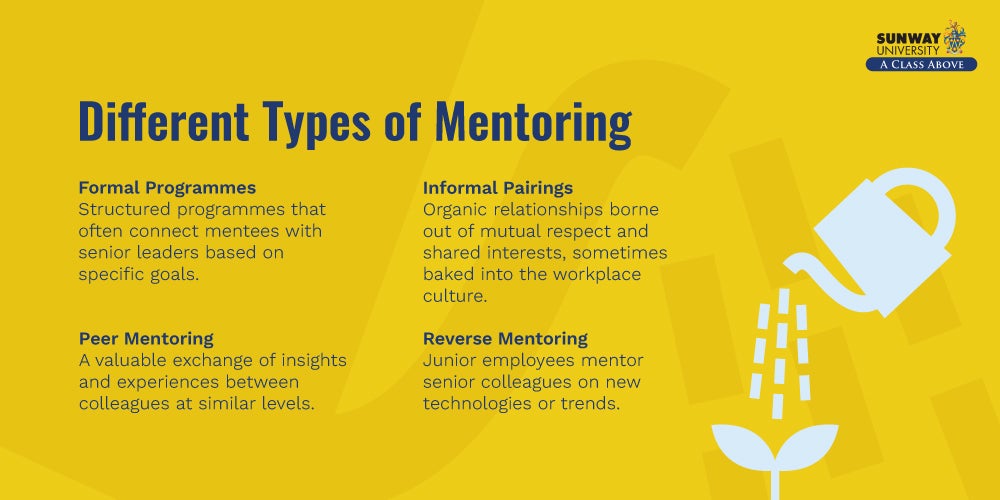 Not all mentorships are created equal. In the workplace, mentorship can take various forms, including one-on-one mentoring, group mentoring, and virtual mentoring.
Each type of mentorship offers unique advantages, from personalised guidance in one-on-one settings to collaborative learning in group scenarios. Virtual mentoring has gained prominence, allowing flexibility and connecting mentors and mentees across geographies.
How to Set Mentorship Goals
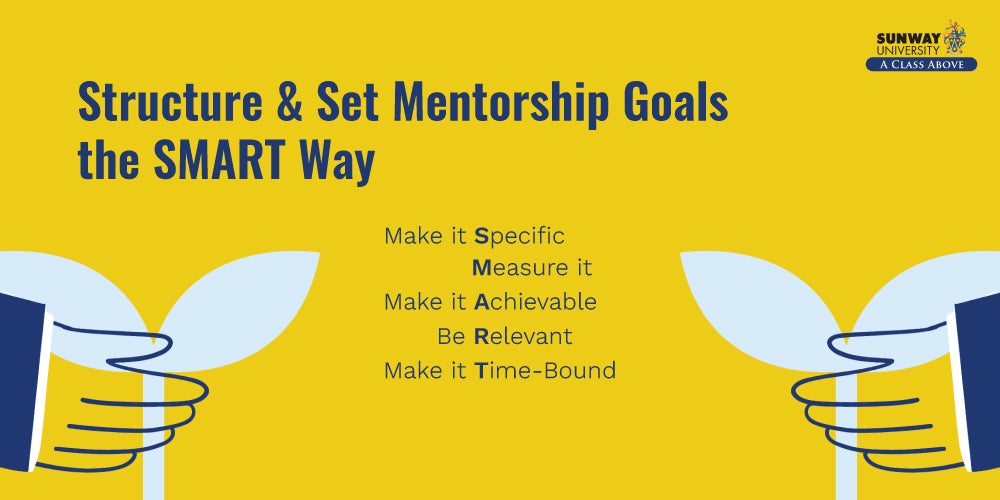 A factor that may be overlooked when pursuing mentorship is proper goal-setting. This is essential for a successful mentorship experience. Mutually define SMART goals — Specific, Measurable, Achievable, Relevant, and Time-Bound — that align with your career aspirations as well as provide a clear roadmap for progress.
Career goals can range from improving specific skills to understanding industry trends and navigating workplace challenges. Both mentor and mentee should regularly review and adjust their goals to ensure relevance and progress.
The Art of Building Quality Relationships
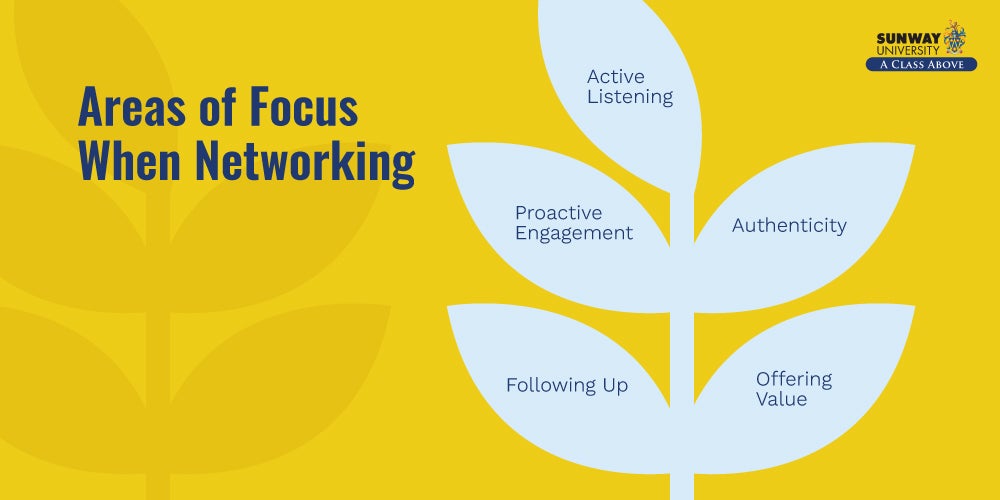 Networking isn't about collecting business cards; it's about building genuine connections. Focus on truly understanding others' perspectives and needs while being genuine, approachable, and value-driven. Remember: people connect with those who are true to themselves.
You should also engage with others proactively. You can attend events, join online communities, and initiate conversations with people you find interesting. Then, you offer value by helping others, sharing your expertise, and being a resource within your network. Don’t forget to stay in touch, nurture relationships, and celebrate each other's successes.
Benefits of a Strong Professional Network
A robust network unlocks a treasure trove of advantages.
You might gain access to unadvertised job positions, insider information, and employee-to-employee engagement. You could learn and develop from others' experiences, stay updated on industry trends, and gain valuable insights. There could be opportunities for collaborations with potential partners, clients, and mentors who can amplify your impact.
Others might overlook this, but your network is able to offer emotional support and a sense of belonging, so make use of it. It's a resource pool for knowledge, advice, and potential mentorship.
Connecting Online in the Digital Age
The internet has revolutionised the ways in which we network. Make use of platforms such as LinkedIn and industry-specific forums to expand your reach beyond geographical limitations.
With digital networking, adapt your in-person networking strategies to suit an online environment. Engage in meaningful conversations and build your online presence – this could mean publishing articles, participating in webinars, sharing your perspectives on industry topics via social media posts and comments, and adding people with shared professional interests.
How to Structure and Set Networking Goals
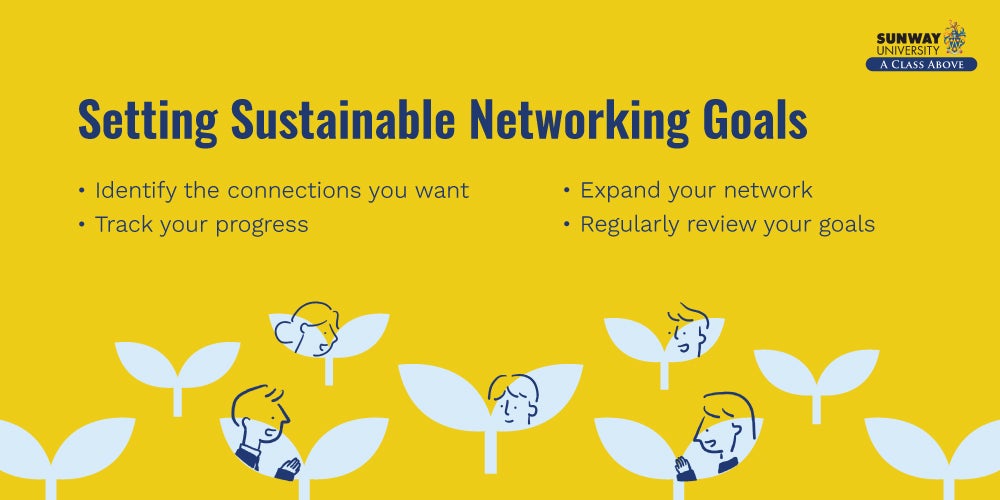 Just as it is with mentorship, setting goals helps you track your progress and maximise your networking efforts. Define goals that identify the types of connections you want to make or the opportunities you're seeking, then track your progress by counting connections, attending events, or securing meetings.
This might include expanding your network in specific industries, engaging in a certain number of professional events per year, or establishing connections with potential mentors or industry influencers.
Regularly reviewing these goals ensures that your networking efforts are focused and fruitful.
Mentorship and Networking for Career Progression
Mentorship and networking are not luxury add-ons; they are powerhouse tools for career development and fulfilment. When you invest in building meaningful relationships, you stand a higher chance of seeing your professional trajectory soar compared to going it alone.
If you're eager to unlock the full potential of mentorship and networking, consider enroling in our 100% online master's programmes that offers a platform for expanding your professional network and accelerating your career growth. By doing so, you'll not only gain access to a wealth of knowledge and expertise but also tap into a dynamic community of like-minded professionals who can offer support, advice, and collaboration.
Get in touch with our Education Counsellors today to discover how our master's programmes can help you forge powerful connections, amplify your professional influence, and propel your career forward.