Healthcare Tech Trends You Must Know, Stat!
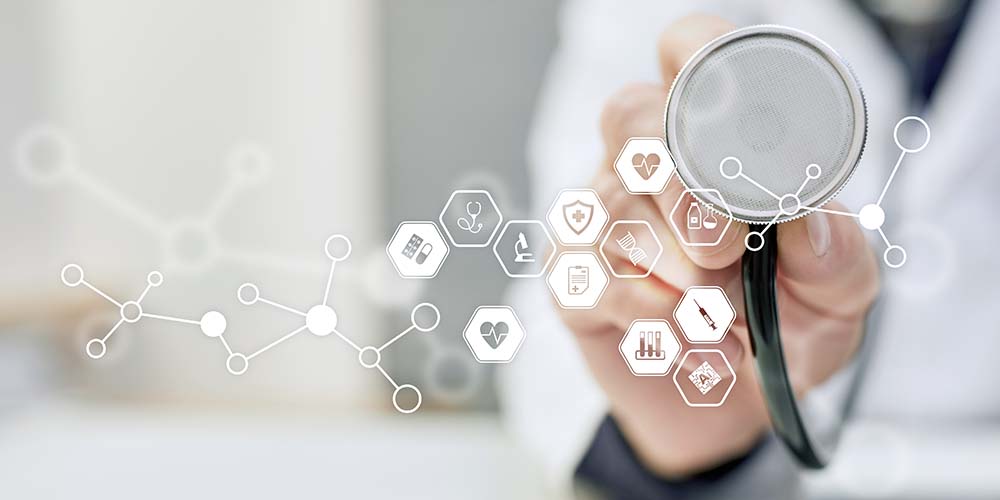
Together, healthcare and technology weave a web that enriches and improves the lives of millions every day. The evolution of healthcare goes hand in hand with technology, and as technology advances, so does our ability to improve medical care.
Advances in the industry not only benefit the ill, but also the doctors who care for them, by reducing medical professionals’ workloads and the time needed to perform various treatments.
In 1952, the United States experienced more than 21,000 paralytic cases of polio prior to the introduction of the inactivated polio vaccine in 1955 and the oral poliovirus vaccine in 1961. These advancements resulted in a rapid decline in infections in the US, with the last known case of polio occurring in 1979. With advancements in technology, we no longer have to wait years for effective medicines or vaccines to be created.
The Impact of Healthcare Technology
With modern technology, the process of creating and producing vaccines has been greatly simplified, reducing the amount of time we need to produce them. For instance, the Pfizer-BioNTech COVID-19 vaccine was introduced a little over a year after the pandemic began, paving the way for other coronavirus vaccines to be created in rapid succession so that large groups of the world population could be immunised.
Healthcare technology has reshaped the way we operate, giving us the ability to track, record, monitor, and cure the sick with the added benefit of simplicity, accuracy, and mobility. Here are some of the latest technologies in the healthcare tech realm.
Tech You Can Wear
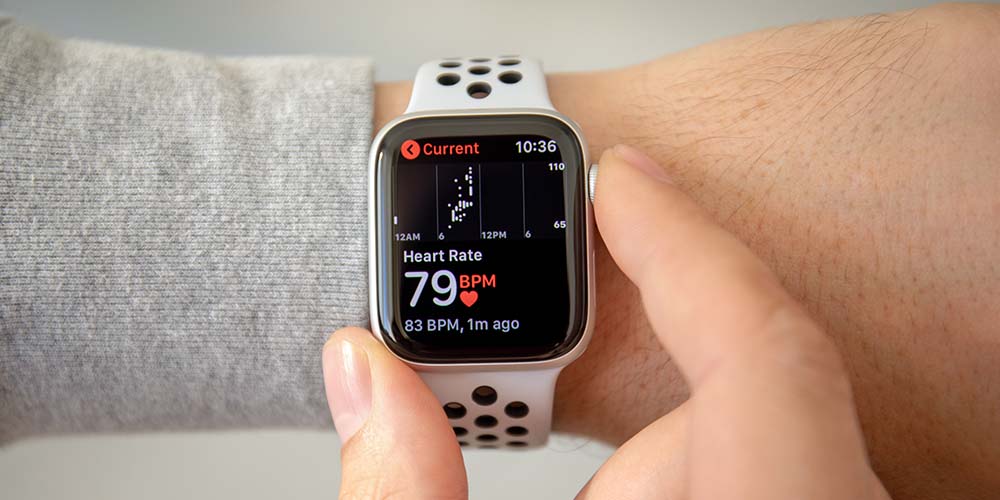
Wearable health monitors have gripped the market, creating new avenues for fitness brands to venture into. Wearable healthcare devices, such as Fitbits and smart watches, track users’ health-related data. Some of the most popular health wearables this year include:
- ECG Monitors: These devices record the heart's rhythm and electrical activity. For example, the Move ECG smartwatch tracks activity and sends ECG data directly to the user’s doctor.
- Blood Pressure Monitors: These devices, like Omron Healthcare’s HeartGuide, measure blood pressure throughout the day. They help users understand their heart health better and provide accurate data to doctors.
- Biosensors: These devices measure chemical and biological reactions. They perform clinical surveillance without needing close contact with patients, which was particularly useful during the COVID-19 pandemic.
VR Tools for Doctors
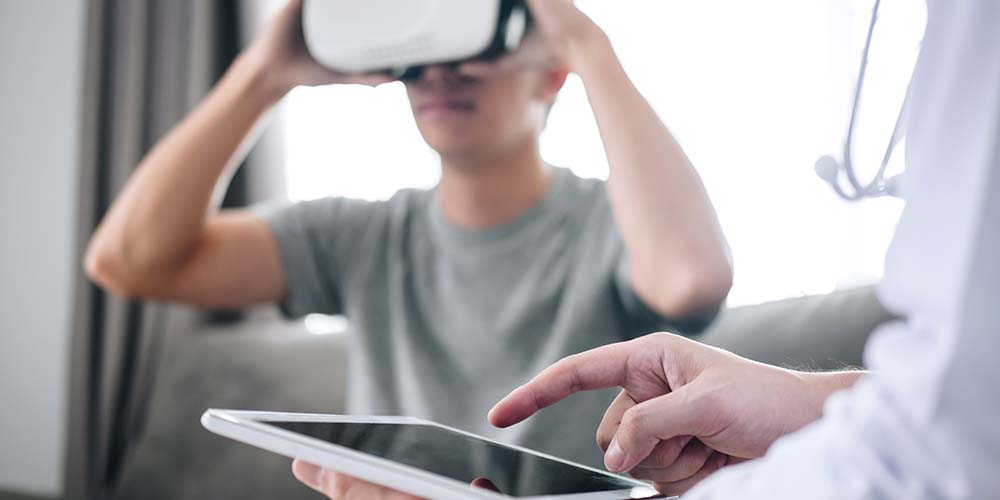
Virtual reality (VR) technology provides a safe way for them to practice. This technology uses extended reality to overlay virtual elements on real-world images. It helps doctors refine their skills without risking patient safety. VR has also transformed mental healthcare which includes the following applications:
- PTSD: A study in 2012 showed that VR therapy helped soldiers process trauma through digital simulations.
- Autism: Companies like Floreo are using VR to create safe environments for children with autism to learn social skills.
- Schizophrenia: VR is being tested as a method to help patients detect symptoms and learn new emotional responses.
AI in Healthcare
Artificial intelligence (AI) aids a myriad of processes in healthcare, ranging from algorithms that augment healthcare providers’ expertise and support patient-centred decision-making, to workflow automation tools that can improve healthcare facilities’ operational efficiency to free up time to focus on patient care.
AI technology in the healthcare industry is more needed now than ever, as the global healthcare staff shortage is projected to increase to 18 million by 2030, making the incorporation of better-performing healthcare technology essential.
According to a 2022 report, 42% of healthcare professionals were burnt out in 2020 and 47% reported the same in 2021. A driving force behind rampant burnout among healthcare professionals is stress from the COVID-19 pandemic, and the use of AI to lighten their burden is key.
Lead the Future of Healthcare Technology
For healthcare technology to progress, accurate, well-presented insights into multiple areas of the industry are highly valuable. Contribute to advancements in healthcare technology with the skills you learn in Sunway University Online's Master in Data Science programme.
With modules like Deep Learning for Data Science and Programming for Data Science, our programme will equip you with the knowledge and tools you need to disrupt the healthcare industry with groundbreaking advancements in the future.
Schedule a call with our Education Counsellors to learn more about this pioneering programme today!