5 Decision-Making Models That Make You A Better Decision-Maker

Most professionals know that making good decisions matters. Fewer have a reliable process for doing it. According to Springboard for Business's 2024 State of the Workforce Skills Gap report, cognitive skills ranked as the second most in-demand skill among corporate leaders globally, with 49% saying their teams lack problem-solving and decision-making skills.
The good news is that decision-making is a skill, not just a talent. Having a clear model to follow gives you a mental framework for approaching difficult choices, reduces cognitive load, and makes it easier to act with confidence. This article covers five of the most widely used decision-making models, how each one works, and when it is best applied.
5 Key Decision-Making Models
1. The Rational Model
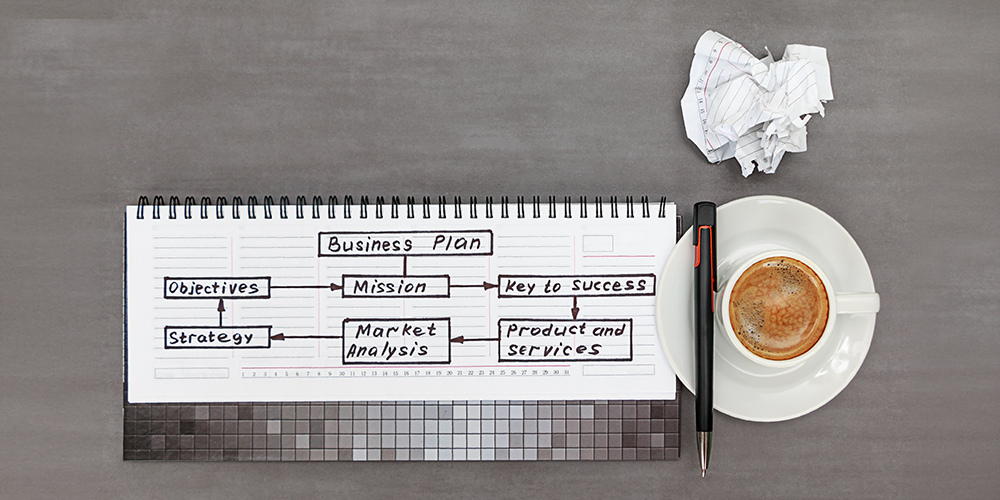
What it is: The rational model is the most structured approach to decision-making. It follows a clear sequence: define the problem, gather relevant information, identify your options, weigh each against your criteria, and choose the best outcome.
When to use it: Best for high-stakes decisions where you have time to be thorough, such as budget planning, vendor selection, or hiring, where the cost of getting it wrong is significant.
Watch out for: It assumes complete, reliable information and sufficient time. In fast-moving environments, waiting for the perfect answer can cost more than acting on a good one.
2. The Bounded Rationality Model
What it is: Developed by Nobel Prize-winning economist Herbert A. Simon, this model acknowledges that people rarely decide with perfect information or unlimited time. Instead, they ‘satisfice’: finding a solution that is good enough given the constraints they are working within.
When to use it: This describes how most day-to-day managerial decisions actually get made. It is a useful frame when operating under pressure, giving you permission to act on the best available information rather than waiting for certainty.
Watch out for: ‘Good enough’ can become a habit. When the bar drops too low, important decisions get made with too little scrutiny.
3. The Intuitive Model
What it is: The intuitive model draws on pattern recognition rather than formal analysis. When an experienced professional senses what the right move is without working through the logic step by step, that is this model in action. It is not guesswork; it is accumulated experience applied quickly to a familiar problem.
When to use it: Time-pressured situations where formal analysis is not possible and the decision-maker has deep, relevant experience. A senior manager who has handled many similar scenarios will often have a reliable instinct worth trusting.
Watch out for: Without a strong experience base in the relevant domain, gut feel can be confirmation bias in disguise. Intuitive calls can also be hard to explain to stakeholders who want to see the reasoning.
4. The Collaborative Decision-Making Model
What it is: The collaborative model brings key stakeholders into the process before a course of action is chosen, drawing on their knowledge and perspectives. The goal is a more informed decision that the team is more likely to support and execute well.
When to use it: Complex or cross-functional decisions where the outcome depends on team commitment, or where different people hold different pieces of the relevant information.
Watch out for: Group processes take time and carry the risk of groupthink. The manager’s role is to make space for dissenting views and to close the discussion decisively once enough input has been gathered.
5. The Recognition-Primed Decision Model
What it is: Developed by researcher Gary Klein from studying experienced professionals in high-stakes fields, the Recognition-Primed Decision (RPD) model describes how experts rapidly match a situation to a pattern from past experience and act on the first workable option. They do not compare multiple options; they simulate whether the first one will work, and if it does, they act.
When to use it: High-pressure scenarios requiring fast action, such as a client crisis, a system failure, or a tight deadline with no room for extended deliberation.
Watch out for: Past patterns do not always fit new situations. When a problem is genuinely novel, this model can lead to overconfident action based on the wrong pattern.

How These Models Play Out in Malaysian Workplaces
Malaysian workplaces tend to blend hierarchical structures with a strong orientation toward group consensus. A 2024 assessment by Hogan Assessments, based on data from Malaysian leaders, found that harmony and consensus are highly valued in local organisational culture, with leaders expected to maintain balance and foster a collaborative environment.
This makes the collaborative and bounded rationality models a natural fit for many local teams. That said, the growing influence of data and digital tools across financial services, technology, and the public sector is pushing more organisations toward structured, evidence-based approaches closer to the rational model. The skill, for most managers, lies in knowing which model a given situation calls for.
How the Five Models Compare
The table below summarises each model across the four dimensions that matter most for practical decision-making:
|
Rational |
What It Is A structured, step-by-step process: define the problem, list options, and choose the best outcome based on logic |
When to Use It High-stakes decisions with sufficient time and data, e.g. budget planning, vendor selection |
Watch Out For Time-consuming; assumes complete information is available |
Malaysian Workplace Fit Strong fit for formal, process-driven organisations such as GLCs and financial institutions |
|
Bounded Rationality |
What It Is Accepts that humans have limited time and information, and aims for a good-enough choice rather than a perfect one |
When to Use It Day-to-day managerial decisions where perfect information is unavailable or impractical to gather |
Watch Out For Can lead to settling for 'good enough' when a better option exists |
Malaysian Workplace Fit Highly practical for mid-career managers navigating fast-moving environments with competing priorities |
|
Intuitive |
What It Is Relies on pattern recognition and experience rather than formal analysis; the expert's gut feel |
When to Use It Time-pressured situations where the decision-maker has deep relevant experience |
Watch Out For Prone to bias; unreliable without the relevant experience base |
Malaysian Workplace Fit Common in senior leadership; more trusted when paired with a track record of good outcomes |
|
Collaborative |
What It Is Involves key stakeholders in the decision, using group input to reach a more informed and widely supported outcome |
When to Use It Complex or cross-functional decisions where team buy-in is critical to execution |
Watch Out For Slower process; risk of groupthink if dissenting views are not actively encouraged |
Malaysian Workplace Fit Natural fit in Malaysian organisations where consensus and respect for group harmony are valued |
|
Recognition-Primed (RPD) |
What It Is The decision-maker matches the current situation to a pattern from past experience and acts on the first workable option |
When to Use It High-pressure situations requiring fast action, e.g. crisis management, client escalations |
Watch Out For Patterns from past experience may not map cleanly to new or unusual situations |
Malaysian Workplace Fit Relevant for managers in fast-paced sectors like tech and financial services; less suited to novel challenges |
Building Better Decision-Making Habits
The most effective managers do not rely on a single model. They develop familiarity with several and apply the one that fits the situation.
For a broader grounding in what decision-making involves and why it matters in a management context, see our guide to what decision-making is and how it works.
If you want to build these capabilities in a more structured way, Sunway University’s postgraduate programmes include dedicated modules on decision-making in both analytical and financial contexts, delivered 100% online and MQA-accredited to enable working professionals to upskill without pausing their careers. Speak with our Education Counsellors to find the right fit for your career goals.